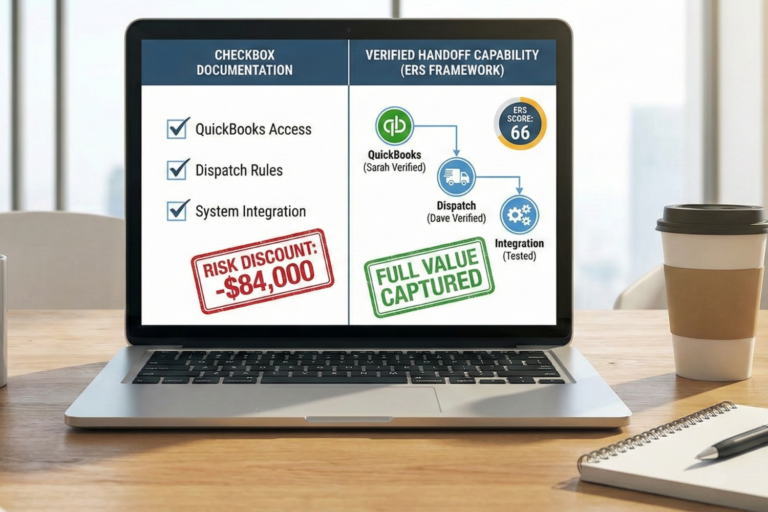
Due diligence is the process buyers use to evaluate your business before a purchase. Understanding what buyers review helps owners organize financial records, legal documents, and operational processes. Being prepared reduces surprises, builds buyer confidence, and protects the purchase price. Learn how buyers conduct due diligence, which aspects they examine closely, and how owners can organize information for an effective review.
What Is Due Diligence in a Business Sale
Due diligence in a business sale is a detailed review buyers perform to understand a target company’s finances, operations, legal compliance, and market position. This process ensures buyers know potential risks before making an offer.
Definition and Purpose
Due diligence is an investigative review of financial, operational, legal, and market aspects. Buyers review income statements, balance sheets, cash flow, and EBITDA (Earnings Before Interest, Taxes, Depreciation, and Amortization). They also examine intellectual property, customer contracts, and human resources processes to identify key employees and operational dependencies.
Why Buyers Conduct It
Buyers assess potential risks, validate future cash flows, and determine a fair purchase price. Reviewing operations, legal obligations, and market position helps gauge the likelihood of a smooth transition and informs negotiation strategy. For instance, a business reliant on a single large client or supplier could face revenue instability, which could influence the purchase price or contract structure.
Understanding these risks enables buyers to make informed decisions, anticipate operational challenges, and plan for business continuity post-acquisition.

Key Areas Buyers Examine
Buyers closely examine a business’s finances, legal standing, operations, market position, and assets to understand how it operates and where risks may lie. They review everything from customer relationships and contracts to property and regulatory compliance.
Financial Statements and Cash Flow
Buyers review earnings reports, income statements, balance sheets, and cash flow projections to understand financial stability. EBITDA (Earnings Before Interest, Taxes, Depreciation, and Amortization) is analyzed to evaluate profitability. Accounts receivable, profit margins, and tax documents help buyers assess risk and support decisions on purchase price and financing.
Legal and Compliance Review
Legal due diligence evaluates intellectual property, regulatory compliance, tax obligations, and pending litigation to identify potential risks that could impact valuation or the purchase price. Buyers also examine contracts, non-compete agreements, and corporate standing to ensure the business is legally sound and in good standing. For example, in a small service business, unrecorded IP rights or unclear vendor agreements could create liability after a sale.
Operations and Management
Operational due diligence evaluates staff, HR processes, and management depth to understand how the business functions. Buyer attention focuses on owner dependencies and critical roles that could affect continuity. By documenting workflows and delegating authority, the business demonstrates resilience. This insight highlights strengths, such as a capable technical team.
Market Position and Customers
Buyers evaluate customer concentration, contracts, retention, and satisfaction as part of commercial due diligence to understand revenue stability and market position. Buyers review whether customer dependencies are diversified, contracts are transferable, and retention metrics are documented. Properly managing and documenting these relationships enhances confidence in the purchase price and helps buyers plan for a smooth business post-transition.
Assets and Liabilities
Both tangible and intangible assets are reviewed alongside contingent liabilities to determine net asset value. Buyers assess property, equipment, intellectual property, and pending obligations to understand what the business owns and owes. For example, in a small service company, assets might include service vehicles and proprietary software, while contingent liabilities could involve supplier contracts or warranty obligations.
This evaluation provides a clear picture of financial and operational exposure, helping buyers make informed decisions about valuation, purchase price, and post-sale planning.

What Due Diligence Do Buyers Do on My Business?
Buyers apply diligence insights to adjust valuation, structure the deal, and guide negotiation strategy. Understanding financial health, operational efficiency, and potential risks informs the purchase agreement and financing options.
Adjusting Valuation
Buyers often adjust the purchase price after reviewing financial and operational structures. Beyond simply examining numbers, they analyze cash flow patterns, profit margins, and accounts receivable to see how predictable the revenue stream is. Operational dependencies, such as reliance on the owner or a few key employees, are factored in, as they could affect the company’s continuity after the sale.
By carefully weighing these elements, buyers determine a valuation that balances the business’s inherent risks with its potential. This step ensures that the purchase price reflects both the financial reality and the stability of ongoing operations.
Structuring the Deal
The findings from due diligence shape how the transaction is structured, whether as a stock purchase, asset sale, or a combination of both. Buyers may incorporate contingencies, earnouts, or specific financing arrangements to protect against unforeseen challenges.
The risks are considered when defining the terms, ensuring both parties are aligned on responsibilities after the sale. Thoughtful deal structuring allows the buyer to mitigate risk, while the seller can achieve clarity and predictability in how the business will transition and how the purchase price will be realized.
Negotiation Psychology
Perception of risk plays a significant role in negotiation, influencing both offer levels and concessions. Buyers interpret financial gaps, legal concerns, and operational dependencies to determine how much flexibility they require in the agreement. The depth of management and the market position also shape negotiation strategy, guiding how buyers present terms and adjust expectations.
Understanding these dynamics enables sellers to respond effectively, anticipate concerns, and maintain leverage, thereby facilitating a smoother, more confident transaction.

Common Owner Misconceptions About Due Diligence
Owners often misunderstand due diligence, assuming it focuses only on finances or that buyers are looking to reduce the price. Clarifying these misconceptions improves preparation and reduces anxiety.
Due Diligence Is Only About Finance
Financial statements and tax returns are essential, but buyers conduct a much broader evaluation during the business due diligence process. They analyze operational systems, human resources practices, intellectual property, legal compliance, and customer contracts to understand how the business operates as a whole.
Buyers Are Looking for Flaws to Reduce Price
Buyers are not seeking minor flaws solely to lower the purchase price. They are assessing potential risks that could affect the business’s value. These risks may include gaps in financial statements, incomplete HR documentation, unclear intellectual property ownership, regulatory compliance issues, or vulnerabilities in customer relationships.
Confidential Information Risks
Owners often worry about sharing sensitive data, including financial records, HR documentation, customer contracts, and intellectual property, during due diligence. Protecting this information while still providing buyers with the details they need is essential. Using a secure diligence request list, controlled access, and clear protocols safeguards proprietary data and ensures that only authorized personnel can view confidential information.

How Owners Can Prepare for Due Diligence
Preparation improves buyer confidence and reduces surprises. Organizing documentation ensures a smooth diligence period.
Preparation Checklist:
- Organize financial statements, tax documents, earnings reports, and cash flow projections.
- Document key employees, HR processes, and compensation structures.
- Review contracts, intellectual property, regulatory compliance, and material agreements.
- Prepare customer contracts, retention metrics, and customer satisfaction data.
- Anticipate follow-up questions and provide supporting evidence to the diligence team.
Why Proactive Due Diligence Maximizes Business Sale Success
Due diligence is essential in understanding a business’s health and operations. By preparing carefully, owners can present their company in a way that instills buyer confidence and facilitates a smooth transition. Clear, organized records and transparency in operations, legal matters, and market relationships minimize unexpected issues and help ensure the sale proceeds successfully while supporting a strong purchase price.
Frequently Asked Questions
What documents do buyers typically request during due diligence?
Buyers usually request financial statements, tax returns, contracts, intellectual property records, customer agreements, and operational documentation.
How long does due diligence usually take?
The due diligence process typically lasts 30 to 90 days, depending on the business’s complexity and the completeness of the documents.
Can due diligence findings change the offer?
Yes, findings can influence valuation, contingencies, purchase price, or financing terms.
Do buyers only look at financial information?
No, buyers also review operations, management, legal compliance, market position, intellectual property, and customer relationships.
How can owners prepare for due diligence?
Owners can prepare by organizing financials, reviewing contracts, ensuring legal compliance, and compiling operational and HR documentation.
References
- Appraisal Foundation. (2024). Business valuation. The Appraisal Foundation. https://appraisalfoundation.org/pages/business-valuation
- Harvard University. (2013). Financial statement analysis. Harvard DASH. https://dash.harvard.edu/bitstreams/7312037e-08f4-6bd4-e053-0100007fdf3b/download
- Investopedia. (2024). Financial statements. Investopedia. https://www.investopedia.com/terms/f/financial-statements.asp
- United Nations Statistics Division. (2017). Valuing assets. United Nations. https://unstats.un.org/edge/meetings/Dec2017/docs/S3/Valuing%20Assets_UNSD.pdf
- U.S. Small Business Administration. (2023). Buy assets or equipment. https://www.sba.gov/business-guide/manage-your-business/buy-assets-equipment
- U.S. Department of Commerce. (2024). Perform due diligence. https://www.trade.gov/perform-due-diligence